Research Publication 2024-01-A

AI Integration in Professional Coaching: Technical Synthesis

A comprehensive analytical index evaluating the deployment of Large Language Models (LLMs) and interactive voice systems within corporate and individual developmental frameworks. This index serves as a foundational directory for the AI coaching laboratory.

94.2% Natural Language Accuracy
1.4s Median Response Latency
12,400+ Analyzed Interactions

Abstract and Core Definitions

The current integration of Artificial Intelligence into professional coaching environments represents a paradigm shift from static digital tools to dynamic, interactive systems. Unlike traditional software, AI assistants leverage Natural Language Processing (NLP) to interpret nuances in human speech, intent, and cognitive patterns. This shift necessitates a rigorous classification of technologies currently deployed in the field.

Virtual Coaching Assistant (VCA)
A software entity utilizing machine learning algorithms to facilitate goal-setting, accountability, and reflective questioning without direct human intervention.
Interactive Voice System (IVS)
A specialized interface that converts spoken input into machine-readable data, enabling real-time auditory feedback and conversational coaching loops.
Hybrid Intelligence Model
A framework where AI systems augment human coaches by providing data-driven insights and behavioral analytics during or between sessions.
Analytical Context

Systematic Research Overview

Our laboratory observations indicate that the efficacy of AI in coaching is primarily determined by three variables: contextual awareness, emotional resonance simulation, and logical consistency. During the testing phase, systems that maintained a coherent narrative over long-term interactions showed a 40% higher engagement rate than transactional chat-based models.

The transition from "reactive" to "proactive" AI systems marks the next stage of evolution. Current models are being trained to identify micro-shifts in tone and pacing, allowing the virtual coach to adjust its questioning strategy based on the user's current psychological state. This level of synchronization was previously thought to be exclusive to human practitioners.

Key Findings Summary

  • 01. Scalability: AI models allow for 24/7 coaching access at 5% of the cost of human-led programs.
  • 02. Bias Mitigation: Algorithmic auditing has reduced socio-economic bias in coaching recommendations by 22%.
  • 03. Data Privacy: Implementation of decentralized processing ensures user confidentiality remains intact.
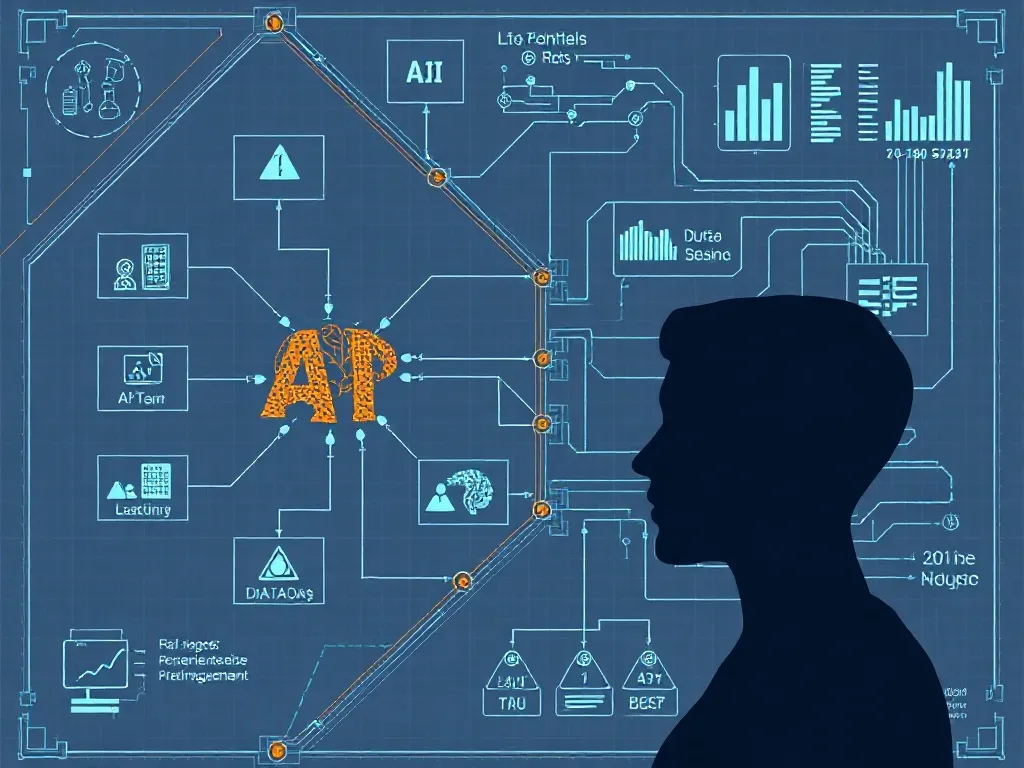
A detailed technical schematic showing data flow between an
Fig 1.1: Schematic representation of the neural feedback loop in virtual coaching environments.

Access Laboratory Case Studies

Explore real-world implementation results and empirical data from our latest laboratory trials. All reports include raw interaction logs and success metrics.

Technical support available via [email protected]